10 CE hours per partIn Ontario, each part covers the 10 hours of Professional Development required in a FSRA cycle. Extra hours do not carry into a later cycle. FSRA does not accredit Professional CE courses, so no course can be described as FSRA-approved for this component.

Residential Mortgage Underwriting in Canada

Send cleaner files, get more approvals, and earn your professional CE hours while you do it.

Get the full program, $498
  • 100,000+ professionals trained
  • 2,000+ Google reviews (opens in a new tab)
  • Service Provider of the Year
  • 14-day money-back guaranteeFull refund within 14 days of purchase. It does not apply once you have attended more than one live clinic, or earned a certificate in any part. Email support@remic.ca. No form and no fee.

The RMU program

Residential Mortgage Underwriting

The full program covers the borrower in Part 1, the property and the deal in Part 2, and what happens after you send the file in Part 3.

Every part includes

  • 10 CE hours per partIn Ontario, each part covers the 10 hours of Professional Development required in a FSRA cycle. Hours beyond the 10 required do not carry into a later cycle, so completing more than one part in the same cycle does not bank hours for the next one. FSRA does not accredit Professional CE courses, so no course can be described as FSRA-approved for this component.
  • For every chapterA short video and a one-page cheat sheet for every chapter.
  • The 2026 manualResidential Mortgage Underwriting in Canada by Joe White, the 2026 edition, plus each chapter as a PDF. Every chapter has worked examples with real numbers, and you get every update released during your year of access.
  • Tools and quizzesParts 1 and 2 have 14 calculators each, and Part 3 has 17 decision tools, so you can run your own files. Each chapter has a quiz with unlimited attempts and feedback on your answers.
  • Work one real fileEach part ends with one client file worked from start to finish. You answer texts, calls and the lender, make the decisions, and get a score with feedback.
  • A certificate with your CE hours
01

Underwriting the Borrower

Know if your client qualifies before you send the file, so lenders learn to trust your files.

Live clinic nights in Part 1
  • Income and the self-employed borrower
  • Credit bureaus and post-insolvency files
  • Debt service ratios and file structuring
Tuesdays, 7 to 9 pm Eastern. Every clinic is recorded and posted the next day.
See what's inside
02

Underwriting the Property and the Deal

Know if the property and the deal will pass, and explain it the way an underwriter would.

Live clinic nights in Part 2
  • The property: appraisals, condos, and rural
  • Deal structure: refinances, builds, and private deals
Tuesdays, 7 to 9 pm Eastern. Every clinic is recorded and posted the next day.
See what's inside
03

Underwriting in Practice

Spot fraud early and meet your FINTRAC and privacy duties, so you protect your licence.

Live clinic night in Part 3
  • Fraud, AML, declines, and appeals
Tuesdays, 7 to 9 pm Eastern. Every clinic is recorded and posted the next day.
See what's inside
All

The full program Save $546

All three parts, all six clinic nights, and the Certificate in Residential Mortgage Underwriting, for less than any two parts on their own.

$1,044$498Get all three

Training a team? Five seats or more start at $398 per person, with completion reports. Ask about team pricing

Part 1 of 3, chapters 1 to 14

Underwriting the Borrower

Chapters 1 to 14 with 14 calculators, 10 Professional Development CE hours, and one year of access.

What you will be able to do

  • Read a credit bureau and spot what the score does not show.
  • Qualify a client after a bankruptcy or consumer proposal.
  • Pick the right income method for a self-employed client.
  • Check down payment and gift funds the way a lender does.
  • Work out GDS and TDS correctly every time.

Chapters

The system you work in

  1. 01The Evolution of Canadian Mortgage UnderwritingHow underwriting changed, and why the rules look the way they do today.
  2. 02The Modern Underwriting ProfessionWhat an underwriter does, and the five Cs of credit.
  3. 03Regulatory FrameworkOSFI B-20, the stress test, provincial rules, and the mortgage insurers.
  4. 04Types of LendersBanks, monolines, credit unions, alternative and private lenders, and which client fits each.
  5. 05Mortgage Products and ProgramsInsured and uninsured loans, fixed and variable rates, HELOCs, and reverse mortgages.

The borrower

  1. 06Credit AnalysisHow to read Equifax and TransUnion reports, and the credit each type of lender wants.
  2. 07Bankruptcy and Consumer ProposalsHow each one shows on credit, and how long until a client can borrow again.
  3. 08Income VerificationSalary, hourly, commission, bonus, contract, rental, and gig income.
  4. 09Self-Employed BorrowersBusiness types, add-backs, and stated income programs.
  5. 10Down Payment and Gift FundsSource of funds, the 90-day history, gift letters, the FHSA, and the Home Buyers' Plan.
  6. 11Debt Service RatiosWhat goes into GDS and TDS, and how to bring them down.
  7. 12Guarantors and Co-SignersCo-borrowers, co-signers, and guarantors, and how a lender qualifies each.
  8. 13Extended Family FinancingBuying with parents, siblings, or adult children, and how lenders qualify it.
  9. 14Spousal BuyoutsThe buyout math, and why the rules change from province to province.

Live clinics included

  • Night 1Income and the self-employed borrower
  • Night 2Credit bureaus and post-insolvency files
  • Night 3Debt service ratios and file structuring
$298or get all three parts for $498

Part 2 of 3, chapters 15 to 28

Underwriting the Property and the Deal

Chapters 15 to 28 with 14 calculators, 10 Professional Development CE hours, and one year of access.

What you will be able to do

  • Read an appraisal the way an underwriter does.
  • Check a condo's status certificate and reserve fund.
  • Place rural, rental, and New to Canada files with the right lender.
  • Set up refinances, construction draws, and bridge loans.
  • Underwrite a private deal around the exit plan.

Chapters

The property

  1. 15Property TypesWhat lenders will and will not finance.
  2. 16Appraisals and Property ValuationHow an appraisal is built, and how to read one.
  3. 17Condominium MortgagesStatus certificates, reserve funds, and special assessments.
  4. 18Rural and Agricultural PropertiesAcreage limits, wells and septic systems, and outbuildings.
  5. 19Environmental ConsiderationsContamination, oil tanks, and former grow-ops.
  6. 20Title Insurance and Legal IssuesWhat title insurance covers, and the problems that show up late.
  7. 21Investment and Rental PropertiesRental offset and add-back, and clients who own several properties.

The deal

  1. 22New to Canada ProgramThe rules, and how to document a client with no Canadian credit.
  2. 23First-Time Home Buyer ProgramsCurrent incentives, the FHSA, and the Home Buyers' Plan.
  3. 24Refinances and Equity Take-OutsLoan to value limits, and why a refinance is underwritten differently.
  4. 25Construction and Draw MortgagesDraw schedules, holdbacks, and cost to complete.
  5. 26Bridge FinancingHow bridge loans work, and what happens when a sale falls through.
  6. 27Private MortgagesThe exit plan, fees, and disclosure.
  7. 28Commercial Mortgage BasicsEnough commercial to handle a small mixed-use file.

Live clinics included

  • Night 4The property: appraisals, condos, and rural
  • Night 5Deal structure: refinances, builds, and private deals
$348or get all three parts for $498

Part 3 of 3, chapters 29 to 44

Underwriting in Practice

Chapters 29 to 44 with 17 decision tools, 10 Professional Development CE hours, and one year of access.

What you will be able to do

  • Spot fraud by how warning signs show up together.
  • Meet your FINTRAC duties, including reporting deadlines.
  • Write conditions that come back complete.
  • Decline a file in a way that holds up to a complaint.
  • Know what a lender can do after a default, province by province.

Chapters

Your duties

  1. 29Documentation StandardsThe loan summary, checking documents, and how long to keep them.
  2. 30Fraud Detection and PreventionWarning signs, and why you must never tip off a client.
  3. 31Anti-Money LaunderingThe October 2024 FINTRAC changes for brokers, and reporting deadlines.
  4. 32Privacy and Information SecurityPIPEDA, Quebec's Law 25, consent, and handling a breach.

The decision

  1. 33Underwriting Process FlowA four-step way to assess the risk on any file.
  2. 34Technology in UnderwritingWhere lender systems go wrong, and how to use AI tools safely.
  3. 35Communication SkillsWriting conditions, and handling hard conversations.
  4. 36Declining ApplicationsThe types of decline, and how to write one that holds up years later.
  5. 37Appeals and Second ReviewsWhat makes an appeal succeed.

The lender's side

  1. 38Portfolio ManagementHow a lender spreads risk across regions, products, and years.
  2. 39Default Management and ForeclosureEach province's rules, and when a borrower still owes money after a sale.
  3. 40Mortgage InsurancePremium math, the extra charge for longer amortizations, and provincial tax.
  4. 41Working with BrokersHow the broker channel works, and how to give useful feedback.
  5. 42Career DevelopmentThe career paths open to an underwriter.
  6. 43Ethics in Mortgage UnderwritingHow to decide when the rules do not give a clear answer.
  7. 44Market Trends and InnovationHow rates move, how regional markets differ, and what is changing.

Live clinics included

  • Night 6Fraud, AML, declines, and appeals, with guest speakers
$398or get all three parts for $498

A live file clinic every Tuesday

A two-hour interactive workshop, live online every Tuesday from 7 to 9 pm Eastern. You watch real files get worked through, bring your own, and ask questions as you go. Every clinic is recorded and posted the next day.

  1. Week 1

    Income and the self-employed borrower

    Part 1
  2. Week 2

    Credit bureaus and post-insolvency files

    Part 1
  3. Week 3

    Debt service ratios and file structuring

    Part 1
  4. Week 4

    The property: appraisals, condos, and rural

    Part 2
  5. Week 5

    Deal structure: refinances, builds, and private deals

    Part 2
  6. Week 6

    Fraud, AML, declines, and appeals

    Part 3
  7. Break

    Weeks 7 and 8 are off, then the six topics start again.

Join in any week. Joe White and Kevin Rallings lead, with guest speakers. You get the clinics for the parts you own.
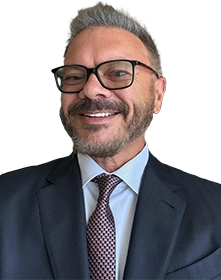
Joe White, founder of REMIC

Taught by Joe White

Joe has worked in Canadian mortgages for more than 35 years, since 1988, as a lender, a broker, and an educator. He founded REMIC and wrote the Ontario mortgage licensing textbook, now in its 16th edition.

Canadian Mortgage Hall of Fame, 2019Ontario licensing textbook authorFounder of REMIC

Free course demo

Do a sample lesson.

It takes about 3 minutes, and you do not need to sign up.

  1. 1
    Watch and readA short video clip and lesson on when a lender can count support payments as income.
  2. 2
    Use the toolRun a client's numbers in the support income calculator from the course.
  3. 3
    Answer the underwriterDana needs your client's qualifying income before the file goes to a lender.
Residential Mortgage UnderwritingCourse demo
Demo
Demo step 1 of 3

Counting support payments as income

From the Chapter 14 video, 36 seconds. Every chapter in the course has a video and a quiz.

Before a lender counts support as income, check three things:

  • It is in a signed separation agreement or court order.
  • Your client can show it is being paid, usually with 3 to 6 months of bank statements.
  • It will keep coming for at least 3 more years.

Lender tip. Child support is not taxed, so some lenders gross it up by 15 to 25%. Check each lender's policy.

Common questions

Do I need underwriting experience?

No. Part 1 starts with how Canadian lending works and builds from there. If you already underwrite, start with the part that matches the files giving you trouble.

Does this count for continuing education?

Yes. In Ontario, each part covers the 10 hours of Technical Knowledge and Professional Development required in a FSRA cycle. Hours beyond the 10 required do not carry into a later cycle, so completing more than one part in the same cycle does not bank hours for the next one. Your certificate shows the course name, provider, hours, and completion date, which is what you report at renewal. Keep it on file for four years. FSRA does not accredit Professional CE courses, so no course can be described as FSRA-approved for this component. Licensed outside Ontario? Contact us and we will confirm what applies in your province.

Should I buy one part or all three?

The full program costs less than any two parts, so it is the better buy if you want more than one. Buy one part if you have one problem to solve: Part 1 for income and credit declines, Part 2 for rentals, construction, or private deals, and Part 3 for fraud, FINTRAC duties, declines, and defaults.

Is this for underwriters at lenders?

Yes. Part 3 covers the lender side of the file: documentation, fraud, AML, declines, appeals, portfolio risk, and default. Teams of five or more get team pricing with completion reports.

Do I have to attend the live clinics?

No. Each part is complete on its own, and your CE hours do not depend on attending. Every clinic is recorded and posted the next day, so you can watch it later.

How long does it take?

Plan on a few weeks per part, working an hour or two at a time. There are no deadlines within your year of access.

Is the material current?

Yes. This is the 2026 edition. Figures are checked against the source, including the December 2024 changes to the insured price cap and amortization rules, current insurance premiums, and the FINTRAC duties that came to brokers in October 2024.

I already own part or all of this course. What happens now?

If you bought Residential Mortgage Underwriting before the switch to three parts, all three parts are already in your account at no charge, and you do not need to do anything. If you own one of the new parts, add the other two and pay only the difference to $498.

What if it is not for me?

Email support@remic.ca within 14 days of purchase for a full refund. The refund does not apply once you have attended more than one live clinic, or once you have finished any part and earned its certificate. There is no form and no withdrawal fee. If you bought the full program, the refund covers all three parts. Your access ends when the refund goes through.

Part 1 › Chapter 11: Debt Service RatiosGDS and TDS calculator
Course tool

From the course

Will this file pass the stress test?

Enter the numbers from a real file. The calculator qualifies the borrower at the stress test rate, the way a lender does, and shows where the file lands.

Income

The mortgage

Housing costs

Other debts

Where this file lands

GDSInsured limit 39%
TDSInsured limit 44%

This is one of 45 calculators and decision tools in the course. Chapter 11 teaches what goes into each ratio and how to bring a tight file down.

For learning only. This is not a mortgage approval. Lender policy varies, so confirm current rules with the lender.

Get more of your files approved.

All three parts, all six live clinic nights, and the Certificate in Residential Mortgage Underwriting, for $498.